
The Masks of the Matryoshka
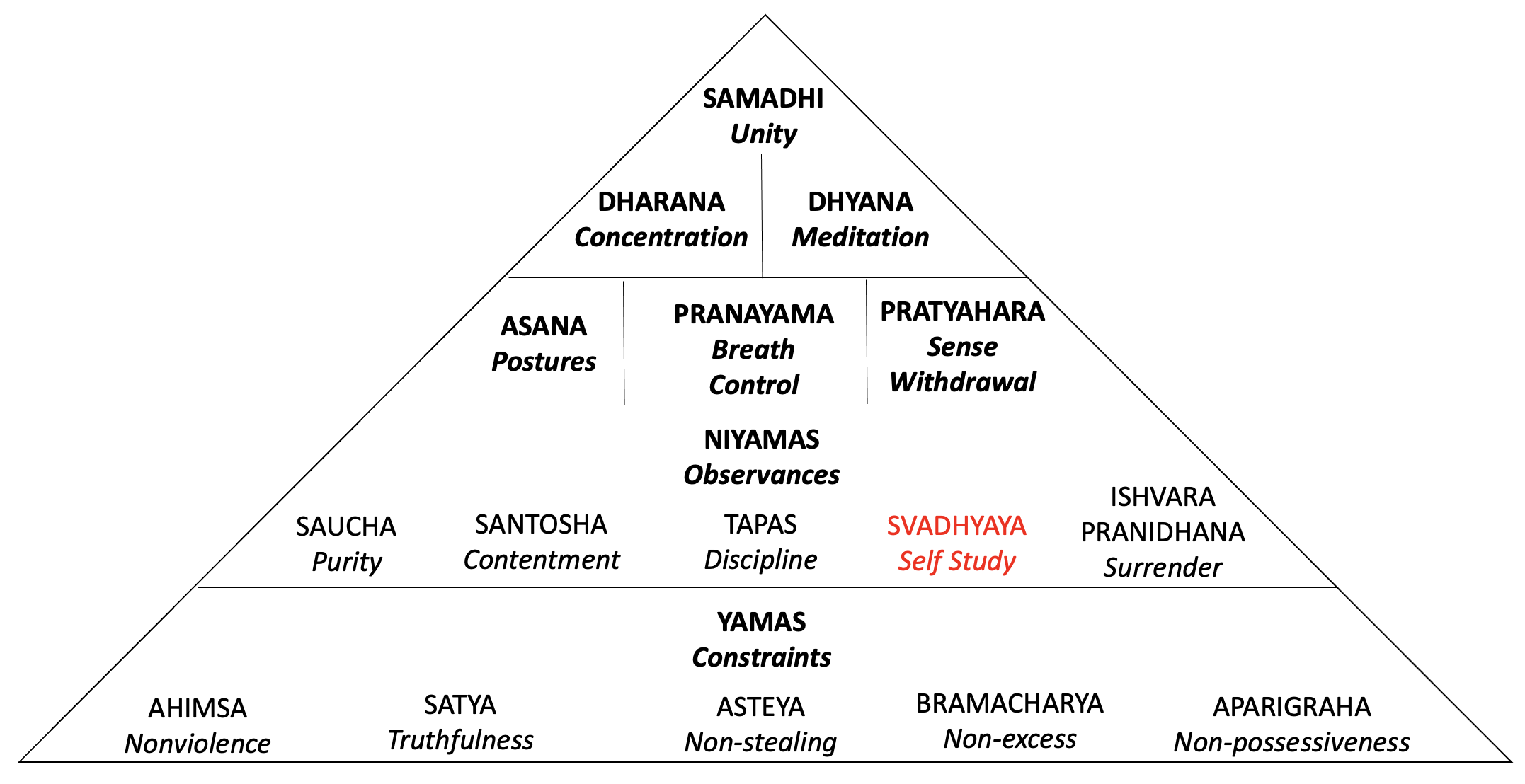
In the yogic tradition, there are the Yamas and Niyamas, ten “restraints” and “observances”, guidelines for living of sort. This is hopefully not an offensive comparison, but they are much like the ten commandments of Christianity. One of them, “Svadhyaya” describes the importance of self study, knowing one’s self.
I once read a story about the early days of humanity. After creating humans, God felt he had made a terrible mistake: humans were always calling on him for help, asking him for guidance and disturbing his peace. He asked the elders for advice and they suggested God hide on Mt. Everest, the moon or deep in the ocean. But God replied “Humans will climb the highest mountain, dive the deepest ocean and shoot themselves into the universe looking for me.” One elder suggested “Hide inside each human; they will never find you there”
I am not religious and the word “God” for me represents a divine essence that I believe exists in all of us and inextricably links us all.
Every year I make a solo camping trip to the mountains, a place with no reception where no one can reach me. I love this time. It’s a deeply important time for me to disconnect from distraction and reconnect with the earth, and myself. To be fair, I’m far from enlightened, but every year I am surprised that the “true me” still remains elusive even after time alone. What I end up observing of myself are just the layers on top of my being.

Solitude has many gifts, but it may not be the place where we finally come to know ourselves.
In the quest for Svadhyaya, we are all like Matryoshka dolls (Russian nesting dolls) with our true essence residing deep inside. Through life we become surrounded by layers of “us” accumulated from education, experiences, and inherited beliefs. They shape how we see the world and how the world sees us. In seeking to know ourselves, we aim to reach the true self, but often the closest we come is understanding our layers.
Perhaps the difficulty is that many of those layers remain invisible to us when we are alone.
A patient this week shared with me the story of C.S. Lewis, J.R.R. Tolkien, and Charles Williams. They and others were members of an informal literary social group that met at Oxford University in the early 1900s that came to be known as the Inklings. Charles Williams died suddenly and unexpectedly, and the loss profoundly affected the group. In the “Four Loves” C.S. Lewis writes that after Charles died, he thought he would have more of JRR to himself. What he realized was that he had also lost all the parts of JRR that came alive when Charles was around.
Each person we encounter lights up part of ourselves that we cannot see in isolation. Our reactions to others teach us about the layers of ourselves in a way that we could never see on our own. Ultimately, I’ve come to believe in connection—raw, attentive, and fully present— taps into something bigger and illuminates our inner light. The more we lean in to others, the more we often discover about ourselves.