
Not all fears are created equal
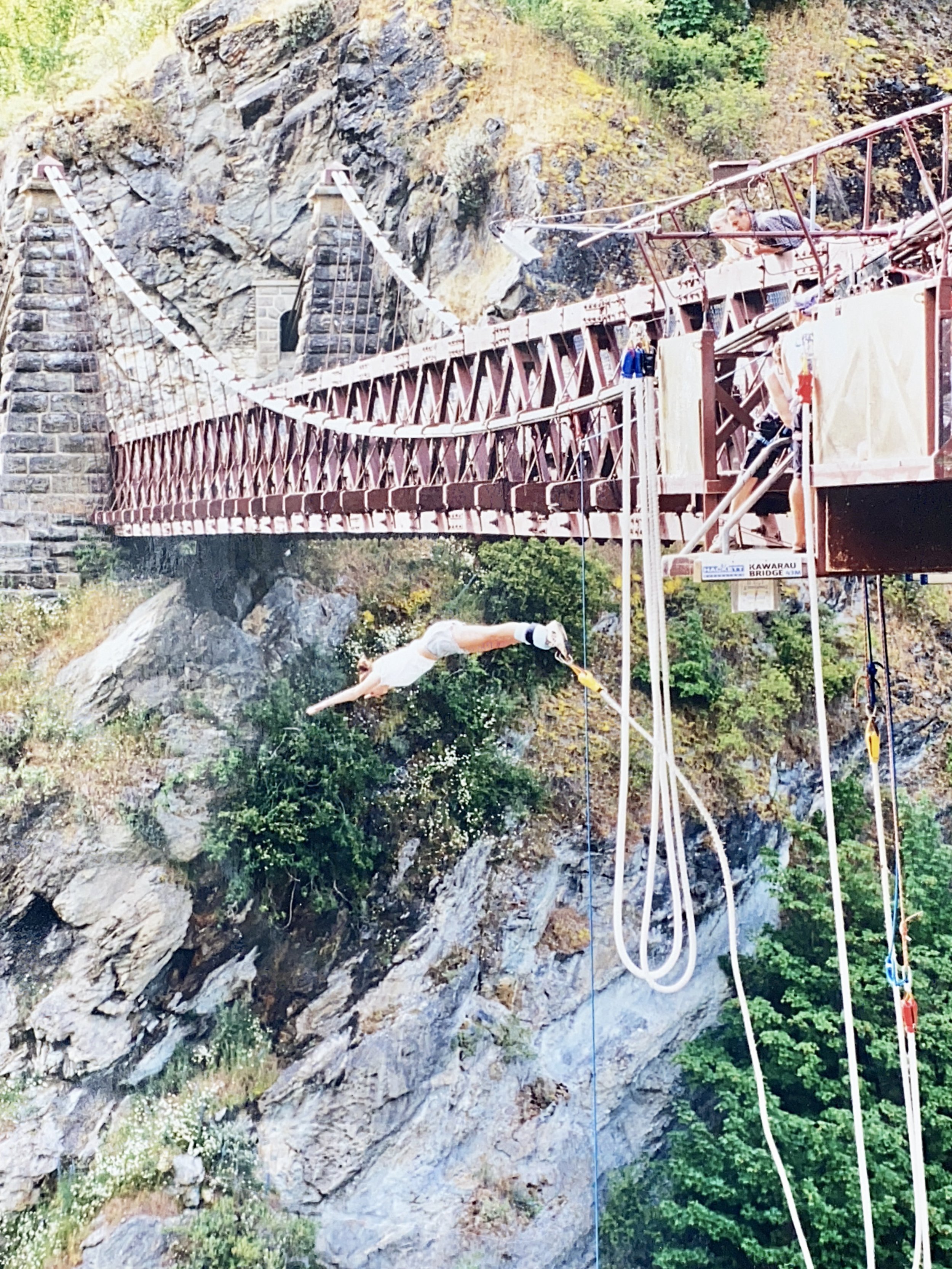
There are three acronyms I associate with the word fear, each illuminating a different way it plays out in our lives.
False
Evidence
Appearing
Real
Psychological fear is the source of much of what we’re afraid of today. Anticipatory dread, phobias, intrusive thoughts, and imagined scenarios can generate so much anxiety that the body responds as if we’re facing real danger.
Thoughts alone are enough to trigger a full physiological fear cascade. The amygdala activates the hypothalamus, stress hormones are released, and adrenaline and cortisol flood the system. Digestion shuts down. Muscles prime for action. The body prepares to survive.
Except—there is no tangible threat.
So instead of running from a predator, we lose sleep. We disengage from our lives. We numb the pain of living afraid. We cling to others or push them away. It’s detrimental, often destructive, and frequently disproportionate to actual risk.
The key is distinguishing psychological fear from real danger. Because when there is a genuine threat, we don’t deliberate or perseverate. We react. We fight, freeze, or…
F**k
Everything
And
Run
More recently, a different acronym has gained cultural traction:
Face
Everything
And
Rise
It’s message is simple: Be afraid and do it anyway.
This goes hand in hand with the question, “What would you do if you weren’t afraid?”—a question that has layers. It calls on us to question the areas of our lives that are hindered by self-limiting thoughts. It also carries the subtle implication that our most authentic selves lies just beyond fear, as if eliminating fear is the key to realizing our true potential.
We’ve glorified those who charge headlong out of their comfort zones, speak with brutal honesty, reject social conventions, burn down their lives, and eat-pray-love themselves around the world. But the line between courage and recklessness is thin. Sometimes it’s whole-hearted living. More often it’s just avoidance dressed up as growth.
The people who concern me most aren’t the fearful ones—they’re the ones who aren’t scared at all. That absence often reflects ignorance of risk—not knowing what they don’t know—or worse, a disregard for themselves or others.
To be clear—I’m a huge proponent of doing sh*t that scares you. It’s good for the soul. It’s confirmation that we’re alive. Nothing quiets the mind quite like stepping into something that demands our full attention.
So yes—do the scary thing. But also listen to what the fear is telling you.
Fear exists for a reason. It’s hardwired into our anatomy. Every system in the body is attuned to its message. Being afraid is our biological defense system. It keeps us safe. It keeps us alive.
Fear isn’t meant to be ignored. It’s also not meant to be followed blindly. Fear is a conversation starter:
Do my knowledge, skills, and mental and physical capacity match the demands of this situation?
Is this ___ (person, place, thing) safe—or are they going to hurt me?
What are the consequences for me and for others?
Do I belong here?
What are my contingency plans?
Maybe the work isn’t to conquer fear, but to honor it. To recognize how often it protects us, guides us, and serves us.
So I offer a different acronym:
Factor in
Evidence
And
Respond
It’s not sexy. But it’s essential.
So what am I most afraid of?
Getting to the end of this life and realizing my intuition—my soul, my whole being—was screaming for my attention…And I didn’t listen.