
Love Hurts? It doesn't have to
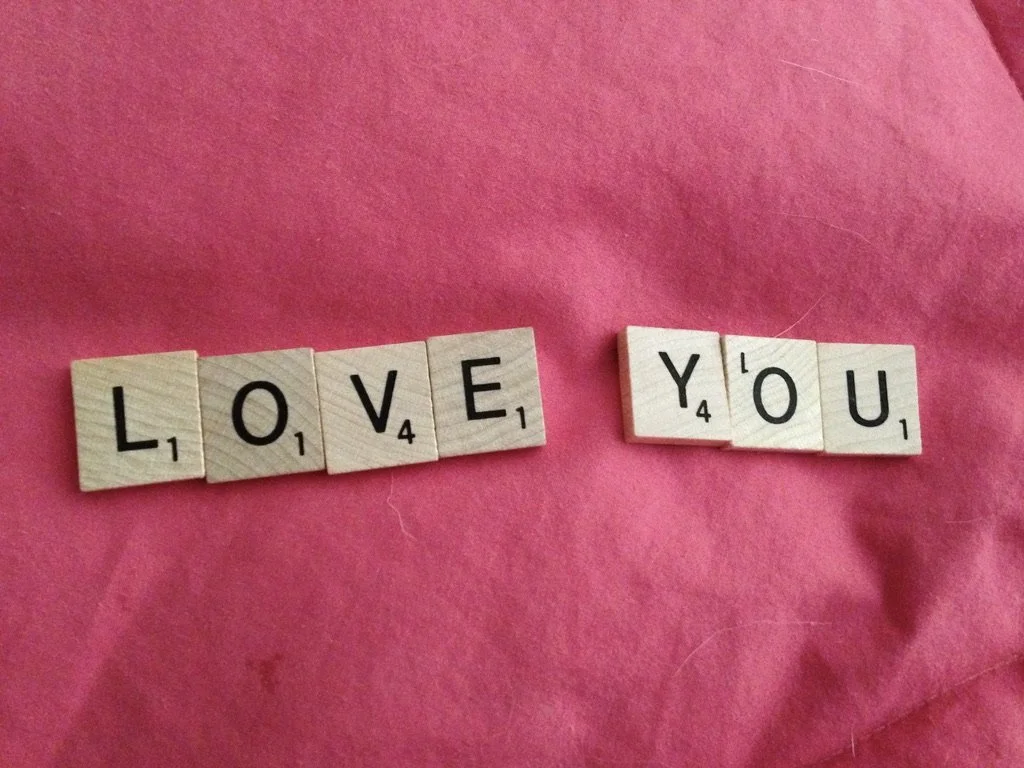
The argument has been made that we cannot have love without hurt and pain. I disagree. Love does not depend on pain; what it requires is vulnerability. We cannot love without becoming vulnerable, but vulnerability does not inevitably lead to hurt. When hurt does occur, a loving response acknowledges it, takes responsibility for it, and attempts repair. It does not glorify suffering as necessary or treat pain as proof of love.
We live in a culture where songs, movies, and entire books are dedicated to the pain of loving. We experience that pain in our own lives and perpetuate it because we have learned to mistake emotional intensity for depth. But pain associated with love, while common, is neither inherent nor necessary.
Many people mistake pleasure-and-pain cycles for love. Pain can intensify attachment, making what feels like love seem more profound. The euphoria of love can feel so much more potent when experienced as the antidote to pain. But if pain is needed to create that intensity, we may be missing the fuller experience of love. Roller-coaster “love” can be intoxicating, but we must be careful not to confuse emotional charge with love.
People often portray suffering “in the name of love” as noble, but that rationale can become a poor excuse for the pain we inflict on ourselves and others. Feelings arise without permission; actions occur within commitments, consent, and responsibility. “I acted from love” cannot function as moral immunity. When pain is defended or romanticized as love, it becomes a contradiction—not a testament to love. To borrow George Carlin’s logic: inflicting pain in the name of “love” is like waging war for peace.
I would argue that what we often describe as the pain of love is really the pain of loss—the grief of someone’s passing, the misery of someone leaving us, the agony of distance created by a boundary, the torment of discovering someone is not who we imagined them to be, or simply the ache of missing someone. Love makes that loss more consequential, but love itself is not the origin of the wound.
My perspective is that pain is neither a necessary ingredient nor reliable evidence of love. Love requires vulnerability, which makes the pain possible—and perhaps eventually inevitable in a finite life—but it is loss, not love, that breaks our hearts.